
Managing money is not about being rich. It is about being smart with what you have. If you often feel like your salary disappears before the month ends, then it’s time to learn how to create a budget for beginners.
In 2026, budgeting is more important than ever. Prices are rising, subscriptions are everywhere, and digital spending makes it easy to lose track of money. The good news? You don’t need to be a finance expert to create a budget.
If you want to learn more about managing money, explore our Personal Finance category for more useful guides.
What is Budgeting? (How to Create a Budget for Beginners)
Before we go into steps, let’s understand one simple thing:
A budget is a plan for your money.
It tells:
- How much you earn
- How much you spend
- How much you save
Budgeting is not about stopping spending. It is about spending with control.
A budget is a plan for your money. According to trusted financial resources like the Consumer Financial Protection Bureau, budgeting helps you manage income and expenses effectively.
Why You Must Learn How to Create a Budget for Beginners
Many people avoid budgeting because they think it is difficult. But in reality, not having a budget is what creates problems.
Here’s why budgeting is important:
- Helps you save money faster
- Stops unnecessary spending
- Reduces financial stress
- Helps you plan future goals
- Keeps you out of debt
In 2026, with rising costs, budgeting is not optional — it is necessary.
Many financial experts, including Investopediahttps://www.investopedia.com/, highlight that budgeting reduces financial stress and improves savings habits.
Step-by-Step: How to Create a Budget for Beginners
Now let’s get into the most important part.
Step 1: Calculate Your Monthly Income
The first step in how to create a budget for beginners is knowing how much money you actually earn.
Include:
- Salary (after tax)
- Freelance income
- Side hustle income
- Rental or passive income
Tip: If your income is not fixed, take an average of last 3–6 months.
Step 2: Track Your Expenses
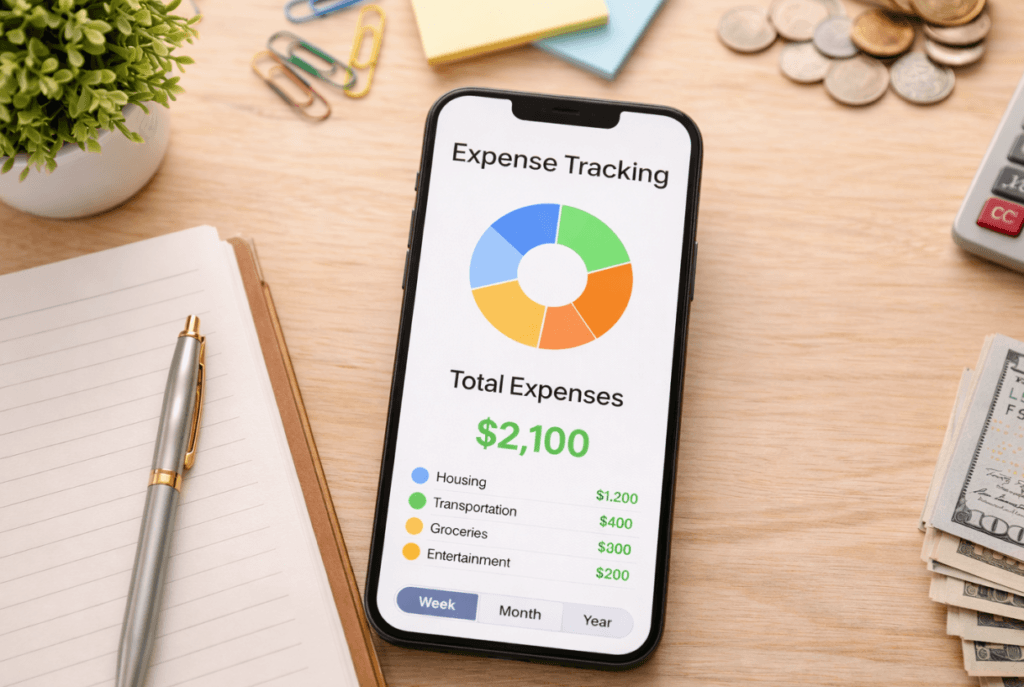
This is where most people get surprised.
Write down everything you spend money on:
Fixed Expenses:
- Rent / EMI
- Electricity bill
- Internet
- Insurance
Variable Expenses:
- Food
- Shopping
- Travel
- Entertainment
Hidden Expenses:
- Subscriptions (Netflix, apps)
- Online purchases
You can use:
- Excel
- Mobile apps
- Or simple notebook
This step is very important in how to create a budget for beginners.
Step 3: Set Financial Goals
A budget without goals is useless.
Ask yourself:
- Do I want to save money?
- Do I want to clear debt?
- Do I want to buy something big?
Example goals:
- Save ₹50,000 in 6 months
- Pay off credit card debt
- Build emergency fund
Use simple rule:
- Short-term goals (1–6 months)
- Long-term goals (1+ year)
Step 4: Choose a Budget Method
To make budgeting easy, use a simple method.
50/30/20 Rule (Best for Beginners)
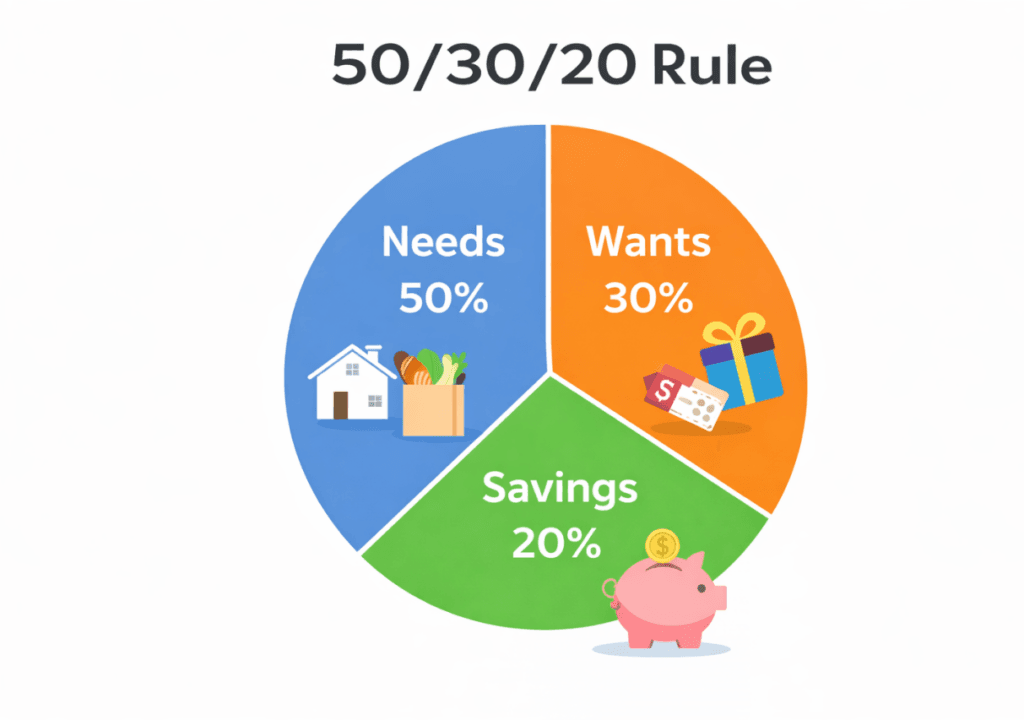
- 50% → Needs
- 30% → Wants
- 20% → Savings
Zero-Based Budget
Every rupee is assigned a job.
Envelope Method
Set spending limits for categories.
If you are new, start with 50/30/20 rule.
Step 5: Create Your Budget Plan
Now combine everything.
Example:
- Income: ₹50,000
| Category | Amount |
|---|---|
| Needs | ₹25,000 |
| Wants | ₹15,000 |
| Savings | ₹10,000 |
Adjust based on your lifestyle.
Step 6: Automate Savings
One of the smartest tricks in how to create a budget for beginners:
Save first, spend later.
- Set auto transfer to savings
- Pay bills automatically
- Invest regularly
This builds discipline.
Want to save faster? Read our complete guide on saving money: How to Save Money Fast
Step 7: Plan for Emergencies
Life is unpredictable.
Always keep:
Emergency fund = 3–6 months expenses
Start small:
- ₹500 per month is also fine
Step 8: Review Your Budget Monthly
Budget is not one-time work.
Every month:
- Check spending
- Compare plan vs reality
- Adjust if needed
This step ensures your budget actually works.
Common Mistakes Beginners Make
While learning how to create a budget for beginners, avoid these:
- Setting unrealistic limits
- Ignoring small expenses
- Not tracking spending
- Giving up too early
- Not saving first
Remember: Progress is more important than perfection.
Simple Tips to Make Budgeting Easy
- Start small
- Be consistent
- Use simple tools
- Cut unused subscriptions
- Track weekly
Budget should feel easy, not stressful
FAQ – How to Create a Budget for Beginners
1. What is the easiest way to start budgeting?
Start with tracking income and expenses, then use the 50/30/20 rule.
2. How much should I save every month?
Try saving at least 20%, but even small savings are good.
3. Can I budget with low income?
Yes, budgeting is more important when income is low.
4. Which app is best for budgeting?
Use apps like Excel, or simple expense tracker apps.
5. How often should I review my budget?
Review it every month.
Disclaimer
This content is for educational purposes only. It does not provide financial, investment, or legal advice. Please consult a financial advisor before making financial decisions.